Fat Brands has received another demand for full payment of its debt and has again warned that the result could be a bankruptcy filing.
Late last month, UMB Bank, the trustee that oversees the restaurant franchise operator’s complex securitization financing, sent a demand for payment of nearly $179 million, including interest, owed by one of the five shell companies that hold Fat Brands’ debt.
The other four had been subject to the previous payment demand, involving nearly $1.3 billion in debt.
In this case, as in that one, Fat Brands does not have the funds available to pay off the amount owed, the company said in a filing with the U.S. Securities and Exchange Commission on Tuesday.
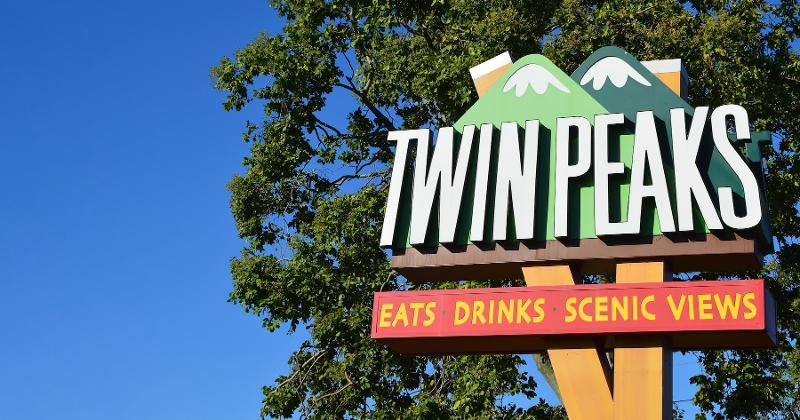
The Beverly Hills, California-based company said that this debt is secured by 22.5% of the shares of Twin Hospitality Group, the owner of Twin Peaks that Fat Brands controls. It is also funded by management fees paid by various Fat Brands concepts such as Fazoli’s.
Meanwhile, one of the Twin Peaks board members, James Ellis, told the company that he was resigning as director.
The notice is the latest sign that Fat Brands is struggling with its debt load and could land in bankruptcy. The company has said that it is negotiating with lenders on a restructuring. It has also said that it is working to cut expenses to be able to make its debt payments.
The episode was triggered in October when Fat Brands did not have enough funds on hand to make a payment on the bonds used in its debt.
UMB Bank could foreclose on Fat Brands’ assets used to back that debt, which could trigger a bankruptcy filing.
Fat Brands amassed its debt largely through a series of whole business securitizations, in which cash-generating assets are used to back bonds issued by the company. The higher level of security for bond buyers can lower the cost of corporate debt, which makes the instrument attractive for restaurant companies.
In this case, it allowed Fat Brands to buy $900 million worth of restaurant chains in a year and a half in 2020 and 2021 after largely buying low-priced restaurants in its previous history.
Members help make our journalism possible. Become a Restaurant Business member today and unlock exclusive benefits, including unlimited access to all of our content. Sign up here.