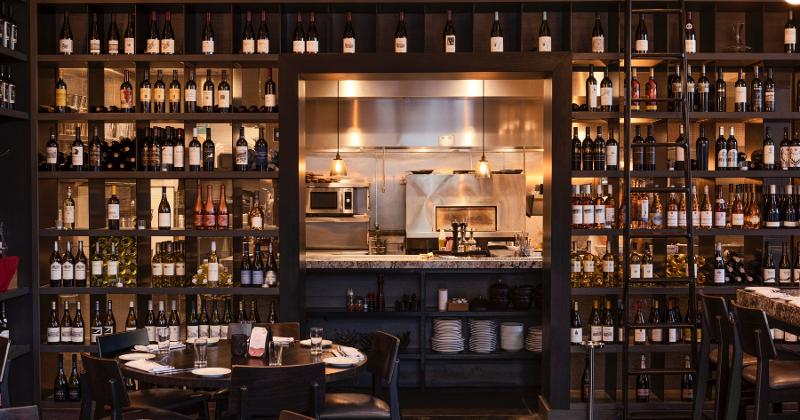
Wine sales may be declining. Consumers may be cutting back on discretionary spending. The number of full-service restaurants may be slowing.
But the more than 20-year-old CRU Wine Bar & Bistro is preparing for growth.
It appears to be somewhat of an anomaly, but founder Patrick Colombo argues that CRU is meeting a moment.
CRU is known for its selection of about 30 wines by the glass, and more than 200 bottles from around the world. The concept features various flights, allowing guests to taste smaller pours of up to four wines for roughly $18 or $21, depending on the wines and market, which in today’s economy is a good value.
The Dallas-based chain, now with eight locations across four states (including three in airports), was acquired earlier this year by Simon Bozas, co-founder of Mezas Capital Group, based in Plano, Texas. He is now CRU’s CFO.
It’s not the first restaurant acquisition for Mezas Capital. The investment firm also has invested in the Dallas restaurants Nowitzki, ceated by NBA player Dirk Nowitzki, and Turco 35 Brews & Bites, a bar by former NHL goalie Marty Turco, as well as franchise brands Blue Mesa Tacos and 2.0 Taco & Tequila Bar.
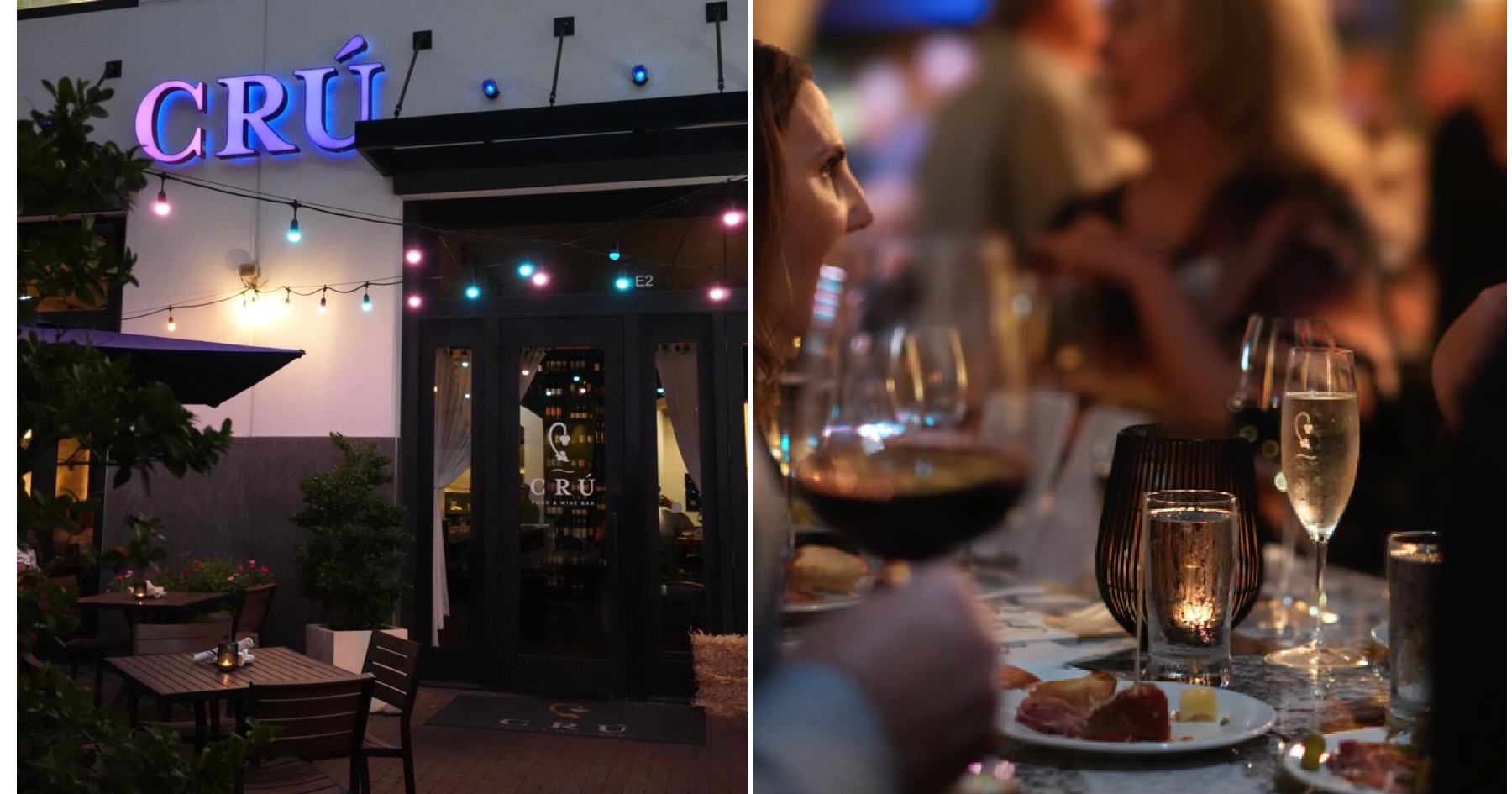
CRU Wine Bar has eight locations, including three in airports. | Photo courtesy of CRU.
Colombo, who founded CRU in 2002 in Dallas, is staying on to lead the brand, as are key executives on the team.
The new owners are plotting new growth. Three or four more CRU locations are scheduled to open next year, and another eight by the end of 2027, Colombo said.
But that growth comes after some closures as the brand repositions, said Colombo.
CRU had reached about 15 locations in 2022, but a number of leases expired at the 20-year mark. Either the location wasn’t right for the brand anymore, or landlords asked for much higher rent, Colombo said.
Colombo owns the Dallas-based Restaurant Works, which operates Princi Italia and Centralé Italia separately from CRU. He also developed and sold the Nick & Sam’s Steakhouse concept before launching the wine bar brand.
In 2002, Colombo was breaking new ground with a wine bar that had both affordable and high-end options, presented without snobbery or nosebleed-causing markups.
He didn’t want people to feel they had to understand the esoteric differences between a cabernet from Washington state and Bordeaux from France.
Colombo said he was inspired a bit by Starbucks. He wanted people to see CRU as a multi-use brand for different occasions, where they could meet a colleague after work, for example, or go on a first date.
“We wanted to make sure people had the opportunity to explore wine in a risk-free environment,” he said.
Initially, the food side of the menu included smaller, shareable plates. But the menu evolved to include about five entrée staples, which rotate seasonally. One signature is a short rib dish with risotto and a salmon with varying sauces, as well as wood-burning pizzas and wine-friendly charcuterie plates.
Colombo grew CRU locations at a rate of about one per year, mostly in lifestyle centers, without taking on an institutional financing, he noted.
The early units were fairly small, about 1,600-square feet—with some doing $2 million in average sales annually. Now, however, the concept is growing the footprint of restaurants, with more seating and more of a bar.
CRU didn’t originally offer liquor, which attracted a different clientele, he said. But now younger consumers look for craft cocktails (and mocktails), and there’s a demand for liquor from a catering standpoint. So the concept will bring 10 to 12 signature cocktails to the menu, though not a full back bar.
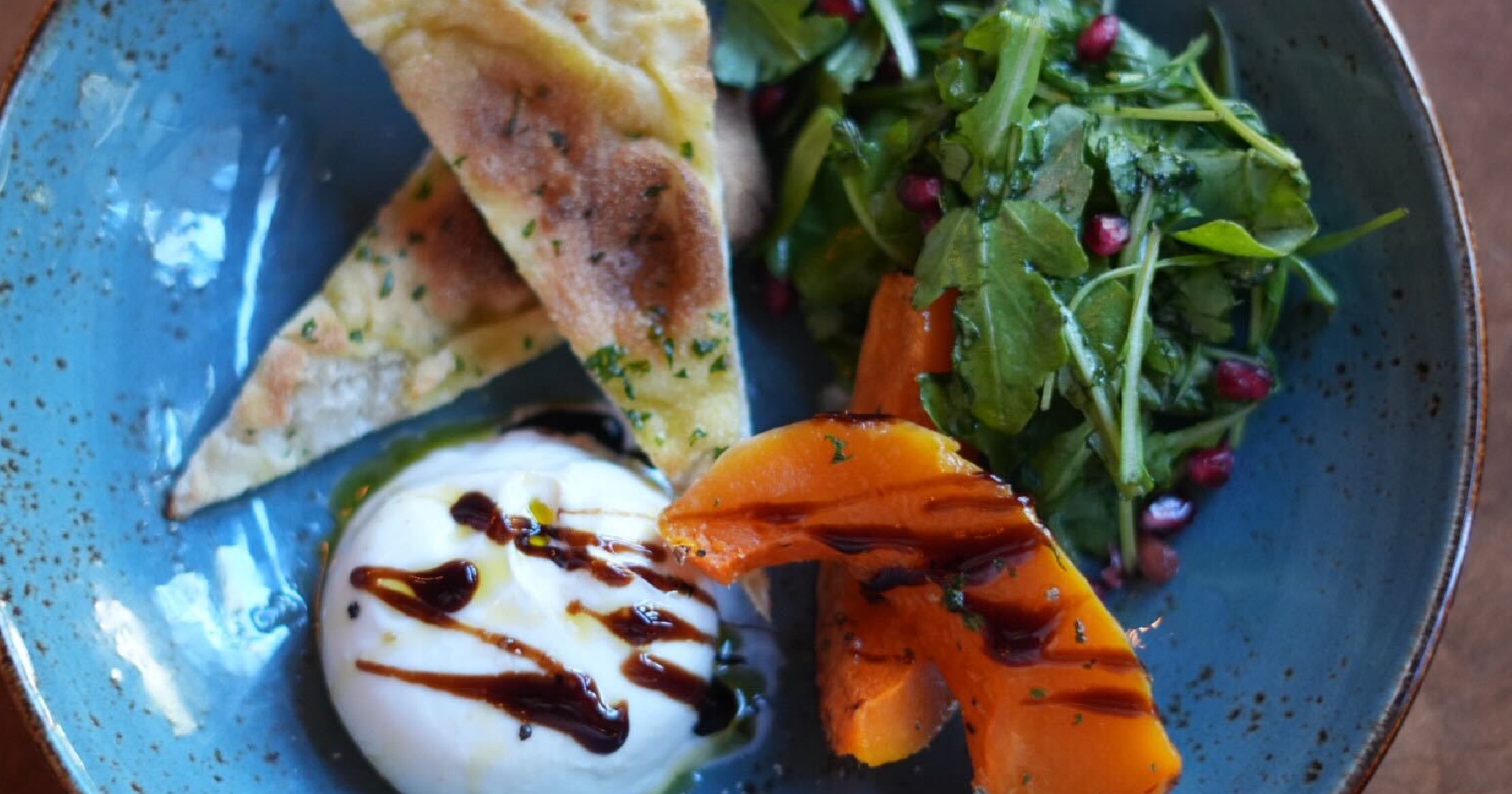
The menu at CRU is focused on wine-friendly and shareable dishes. | Photo courtesy of CRU.
The wine bar is also building an e-commerce element, for wines but also accessories.
“We use all Reidel glassware and we get a lot of requests from guests to buy it,” Colombo said. “We won’t be like The Wine Enthusiast and sell everything across the board. But we will do 10 to 12 things.”
And also sell wine, of course, where allowed by state law. CRU already has a wine club that serves as a loyalty program, and the restaurant can help enthusiasts build their cellars.
But the majority of CRU’s sales is by the glass or flight, Colombo said.
Once a bottle is opened, CRU uses a vacuum-seal system to suck the air out to keep the wine fresh. “We can get a good seven to 10 days, but our wines rotate much faster than that,” he said.
Staff members are offered training through a CRU University program. They’re not expected to become sommeliers—though some have, and Colombo is proud to see that happen. “They become great recruiters for us.”
But Colombo does want staff members to be able to answer questions and “deliver an experience and education without being pretentious,” he said. “It’s about finding what style the guest wants to enjoy and guiding them in the right direction.”
Consumers today are more savvy, he noted. They have phones in their hands, on which they can look up wine retail prices and see the markup.
So training at CRU emphasizes hospitality, rather than the mechanics of wine.
“The guest was giving everybody [in the restaurant industry] a free pass for the last 2.5 years, thanks to COVID,” he said. “But now you have to deliver a great value and experience. Now you have to perform. You’re fighting for business.”